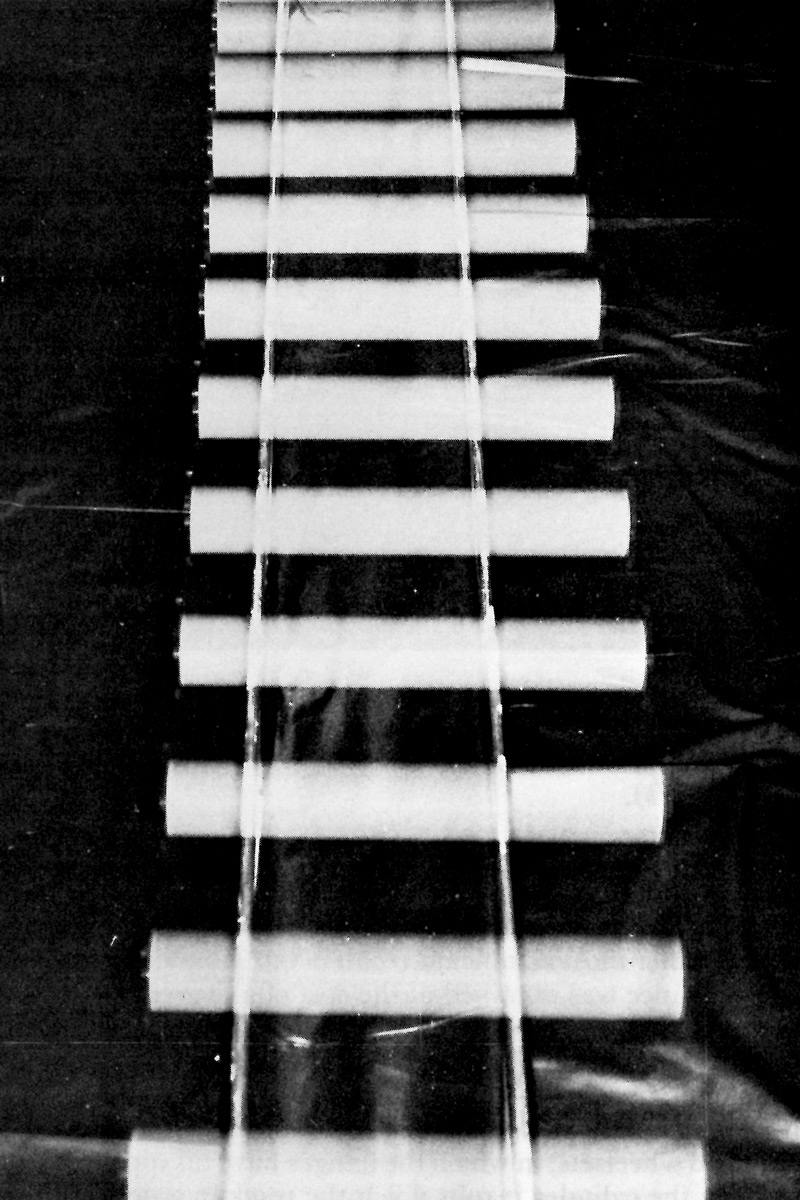
Trains can't steer like cars or buses, because they're bound to the rails. That's why engineers must carefully consider how wheels interact with the track.
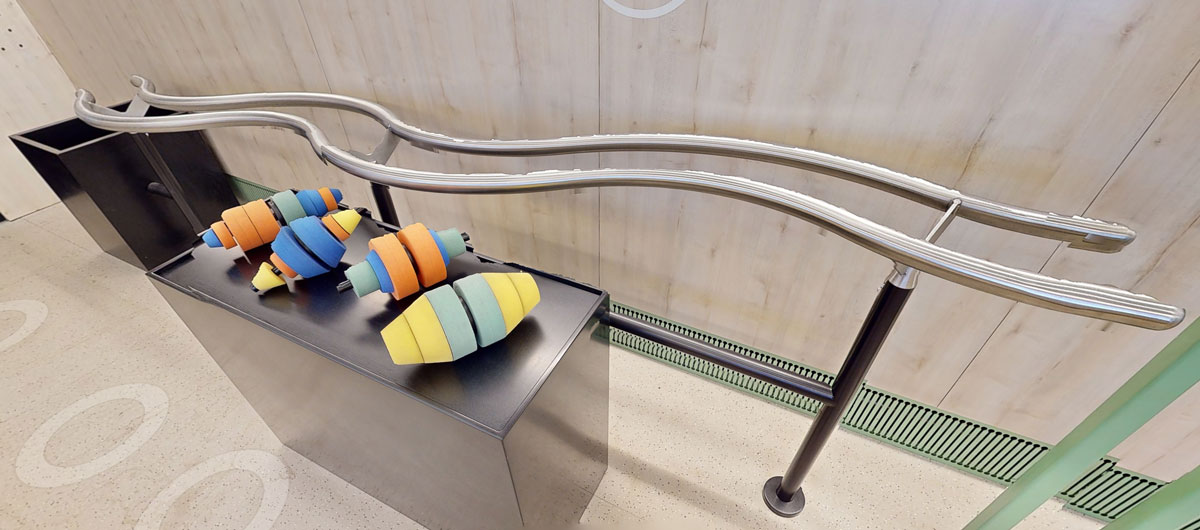
In this activity, you'll use foam wheel pieces to build and test different wheel sets. Each axle can hold up to four pieces on each side, but how you arrange them affects how the train moves.
So why not tinker and experiment to get your design to make it all the way to the end of the track?
And once it does, ask yourself: is the ride smooth or bumpy? Does the speed change? Could it be improved?
So keep building, testing, and improving just like real engineers do.
Build, Roll, Improve
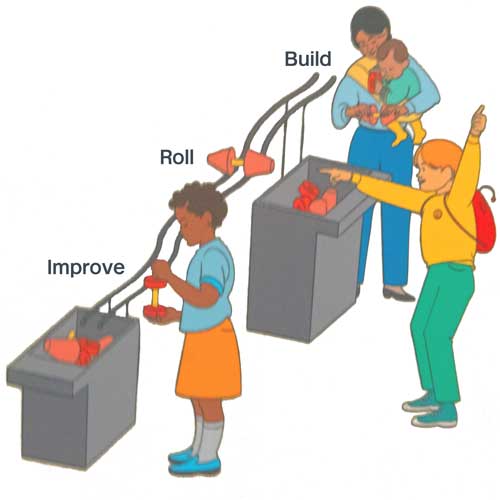
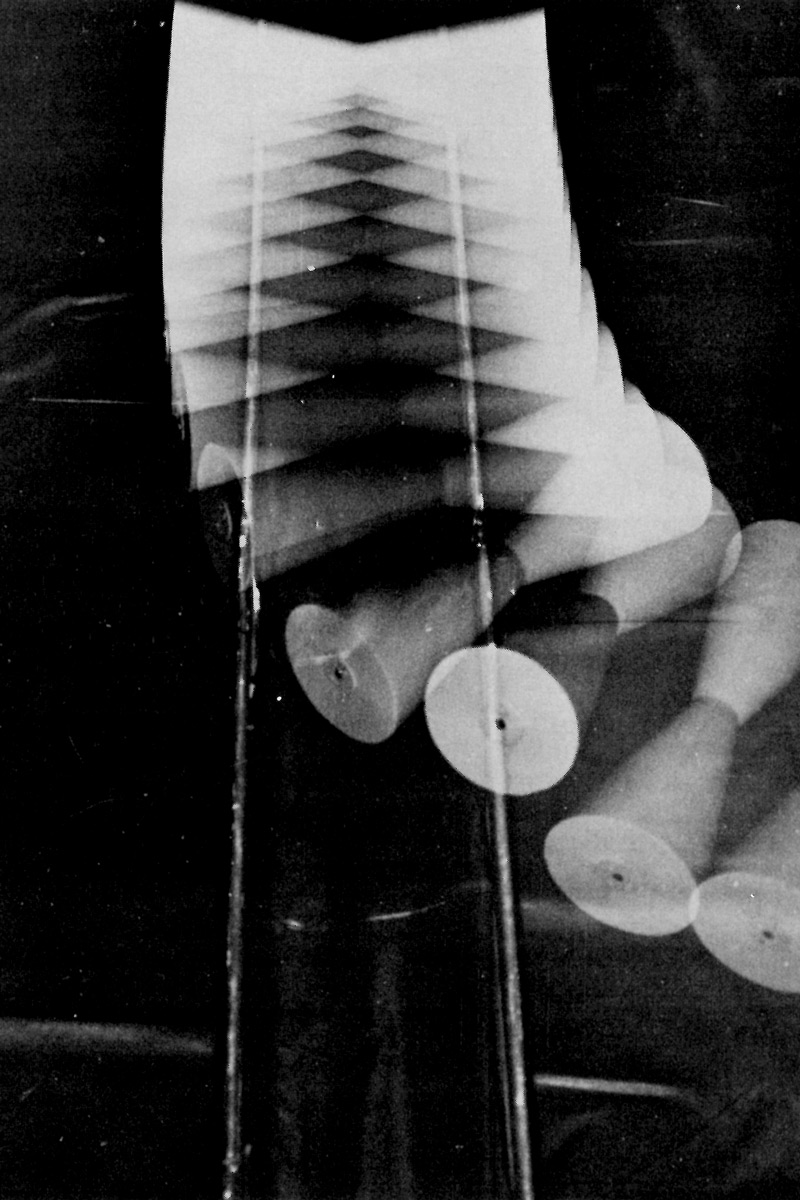
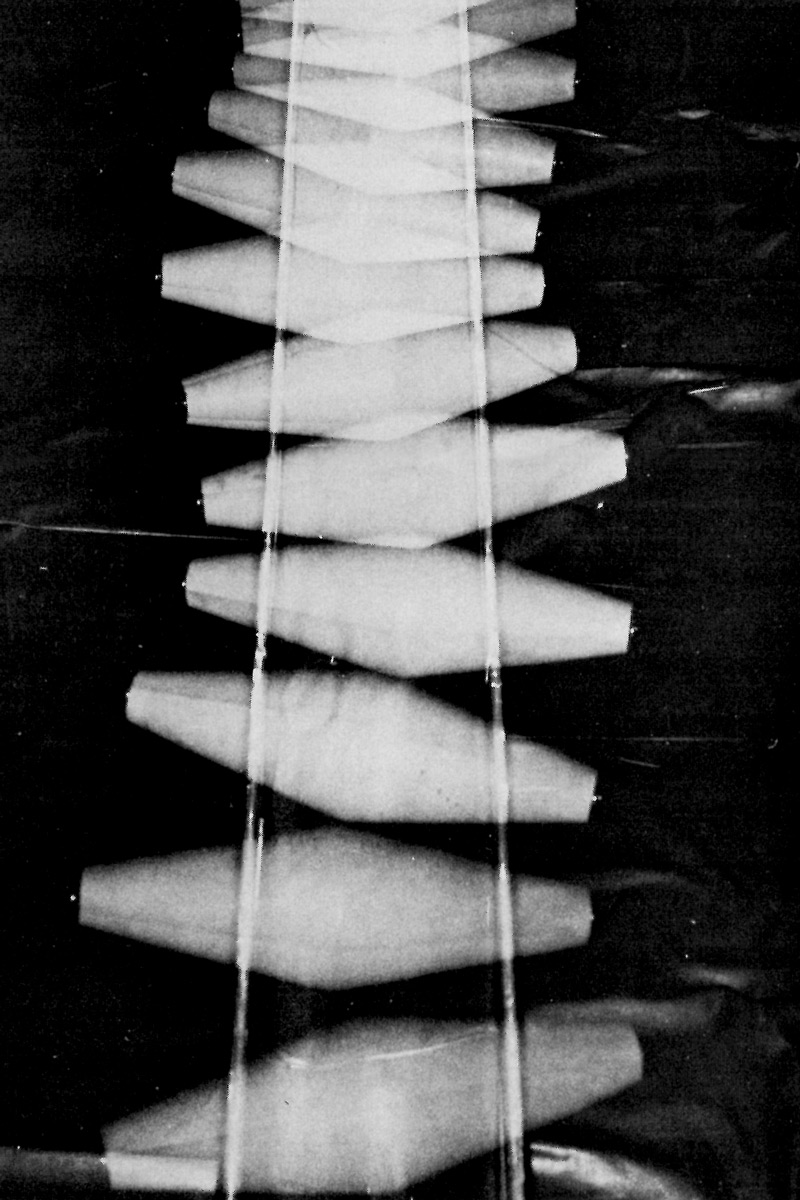
Make your own set of wheels and test it on the track. Train wheels aren't cylindrical like car wheels; they're conical.
|
|
|
The cone shape allows them to move from side to side so the rail vehicle stays on both straight and curved tracks.
These cleverly engineered wheels keep train rides smooth and safe.
 |
|
|